
How to Avoid Remote Job Scams 2025 – Spot the Red Flags & Get Hired Safely
How to avoid remote job scams 2025 is the first phrase that popped into my Google search bar when I decided to ditch my 45‑minute commute and work from home. If you’re reading this, chances are you’re feeling that same mix of excitement—plus nerves about running into yet another fake listing that asks for “just a tiny background‑check fee.” Been there, dodged that. Let’s talk about staying safe while chasing legitimate remote work.
I’ve personally sifted through hundreds of remote job posts—some sketchier than a toddler’s wall art. After five years of working online (and yes, falling for one minor scam early on), I’ve built a step‑by‑step system for sniffing out red flags fast. In this 1,500‑plus‑word guide, you’ll get:
- 10 tell‑tale signs a remote job is sketchy
- The new scams popping up in 2025 (AI deepfakes, anyone?)
- Legit resources to verify companies in minutes
- My personal toolbox for landing real remote gigs—no tuition fees or “training kits” required
Why Remote Job Scams Keep Evolving (and How 2025 Is Different)
Remote job scams exploded during the 2020 work‑from‑home boom. By 2024, scam listings had become so sophisticated that the Federal Trade Commission reported over $68 million lost to fraudulent “work‑from‑home” schemes in a single year. In 2025, scammers are leaning on:
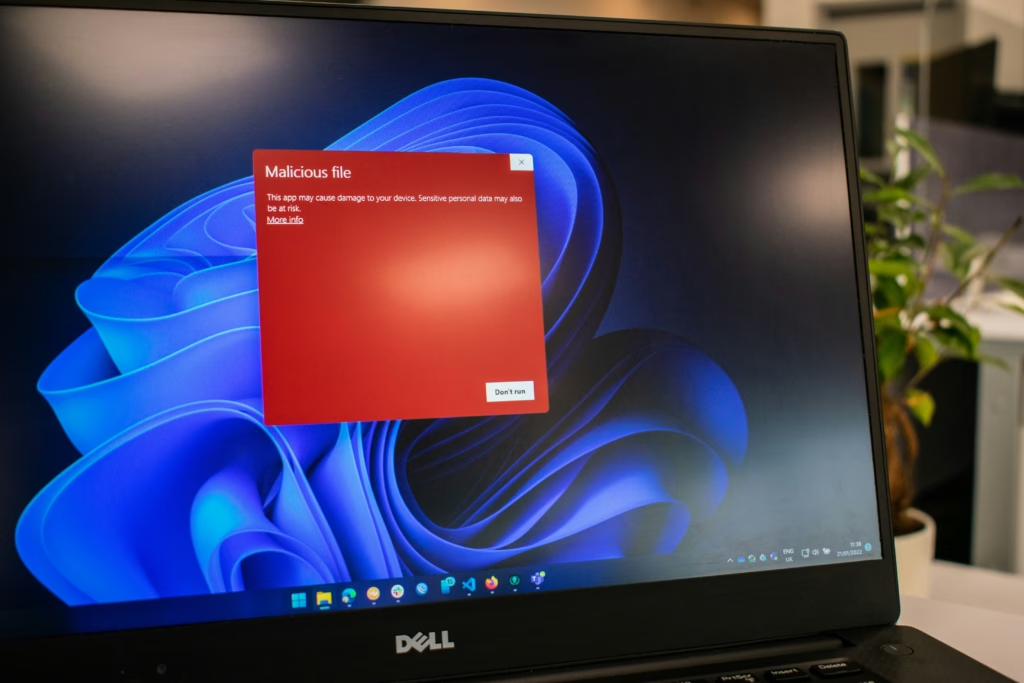
- AI‑generated job ads that look professional but link to malware sites.
- Deepfake interviews with synthetic recruiters to collect personal info.
- “Crypto payroll” pitches promising sky‑high pay in tokens you’ll never see.
The good news? Most scams still share predictable red flags—once you know them, you’ll spot them from a mile away.
10 Red Flags You Can’t Ignore
1. The Employer Uses a Free Email Domain
If Jeff Bezos emails you from [email protected], it’s not Jeff. Legit companies use official domains for correspondence. A real company email will usually end in something like @companyname.com, not a free service.
2. They Ask You to Pay Upfront Fees
No reputable employer charges a $50 “application processing” fee. The minute money flows from you to them, it’s a scam. Employers that require background checks will either pay for them or deduct from your paycheck after you’re officially hired.
3. Vague Job Descriptions
Roles that promise $1,000 a day “posting ads” without detailing responsibilities usually want your money or data. Vague listings often omit any clear qualifications or real expectations. This is a tactic to cast a wide net for unsuspecting applicants.
4. “No Experience, $100k Salary” Claims
Entry‑level roles can be lucrative, but if it feels too good to be true, trust your gut. Scammers use huge salary numbers to bait desperate job seekers. Always compare the salary to industry standards before applying.
5. Grammar & Spelling Errors
Legit HR departments proofread. Typos in the first line? Nope. Many scams originate from overseas and contain broken English or odd phrasing—clear red flags.
6. Pressure to Act Fast
Scammers thrive on urgency: “We need your details by tonight or the offer expires!” Slow down and investigate. A real company will give you a reasonable timeframe to respond and never pressure you into quick decisions.
7. Interviews Over Messaging Apps Only
Some legit companies use Slack, yes. But refusing Zoom or phone calls? That’s a red flag. Scammers prefer chat‑only interviews because they leave no voice or video trail to trace them.
8. Upfront Requests for Sensitive Data
No employer needs your Social Security number before a formal offer letter and signed agreement. If you’re asked to upload ID or bank details right away, it’s likely a phishing scam. Always wait until you’ve verified the company and received a legit offer.
9. “Crypto‑Only” Payroll or Gift Card Requests
Salary should arrive through traceable payroll—period. No real employer pays in gift cards, Bitcoin from unknown wallets, or strange tokens. These methods are used by scammers because they’re untraceable.
10. Fake Testimonials & Stock Photos
Run images through Google Lens. If the “employee” photo shows up on five other scam sites, you know the drill. Look for authentic LinkedIn profiles or real employee reviews to verify legitimacy.
How to Verify a Remote Job in Under 10 Minutes
Step 1: Check the Domain
Use WHOIS lookup to see when the domain was registered. A brand‑new domain claiming to be an “established Fortune 500 partner” should raise eyebrows. Most legit companies have domain records going back years.
Step 2: Cross‑Reference on LinkedIn
Search for the recruiter’s name and company presence. No employees listed? Sketchy. A trustworthy company will have active employees and job listings on LinkedIn that match their website.
Step 3: Use Google’s “site:” Search
Type site:companydomain.com careers. Real companies often host job posts on their own site. If nothing comes up, it’s worth digging further before applying.
Step 4: Scan Employee Reviews
Sites like Glassdoor show real employee feedback—watch for multiple scam reports. Also read between the lines for poor treatment, fake positive reviews, or zero information at all.
Step 5: Ask Community Forums
Reddit’s r/WorkOnline and remote‑work Slack groups often expose scams quickly. Posting a suspicious job in these forums can help get feedback from experienced remote workers.
How to Verify a Remote Job in Under 10 Minutes
Step 1: Check the Domain
Use WHOIS lookup to see when the domain was registered. A brand‑new domain claiming to be an “established Fortune 500 partner” should raise eyebrows.
Step 2: Cross‑Reference on LinkedIn
Search for the recruiter’s name and company presence. No employees listed? Sketchy.
Step 3: Use Google’s “site:” Search
Type site:companydomain.com careers. Real companies often host job posts on their own site.
Step 4: Scan Employee Reviews
Sites like Glassdoor show real employee feedback—watch for multiple scam reports.
Step 5: Ask Community Forums
Reddit’s r/WorkOnline and remote‑work Slack groups often expose scams quickly.
New Scams in 2025 & How to Outsmart Them
AI Deepfake Recruiters
Scammers now generate hyper‑realistic recruiter avatars. Always request a video call and verify the domain of any follow‑up email.
Blockchain Payroll Ploys
If they promise to pay you in a “brand‑new coin,” ask to see prior transactions or proof of liquidity on reputable exchanges.
Freelance Platform Impersonators
Some fraudsters create fake Upwork clones to harvest payment details. Double‑check URLs and browser certificate locks.
Stay updated: The Better Business Bureau posts regular scam alerts on work‑from‑home jobs—bookmark their scam tips page for future reference.
Tools & Resources to Keep You Safe
- Google Lens: Reverse‑image search suspicious recruiter photos.
- Have I Been Pwned: Check if your email appeared in past data breaches.
- VPN: Use a secure connection when job searching on public Wi‑Fi.
- Password Manager: Create unique logins for each application portal.
Extra Credit: How I Land Remote Gigs — No Degree, No Scams
I broke in by freelancing first: content writing for a local business, then scaling to agency work. Over time, I networked in Slack communities, built a quick portfolio in Notion, and kept my applications personal—no “To whom it may concern.”
Today, I still use the same core steps:
- Validate the company (domain, LinkedIn, employee reviews).
- Search “company name + scam” on Google.
- Ask for a real‑time video call before sharing personal data.
Ready to Job Hunt Safely?
If you’re determined to find a legit remote job in 2025, arm yourself with knowledge and a proven game plan.
Final Thoughts
Scammers are crafty, but they thrive on desperation and speed. Slow down, vet everything, and remember you hold the power of “no.” Trust your instincts, do your research, and keep applying smart. Legit remote work is out there—waiting for someone just like you.
Here’s to safe, scam‑free job hunting!
© 2025 RemotoDesk.com | Some links in this post are affiliate links. They help keep the coffee pouring so I can keep the scam warnings coming. Thank you!